Ordinary Holiness Is What Gets Us To Heaven
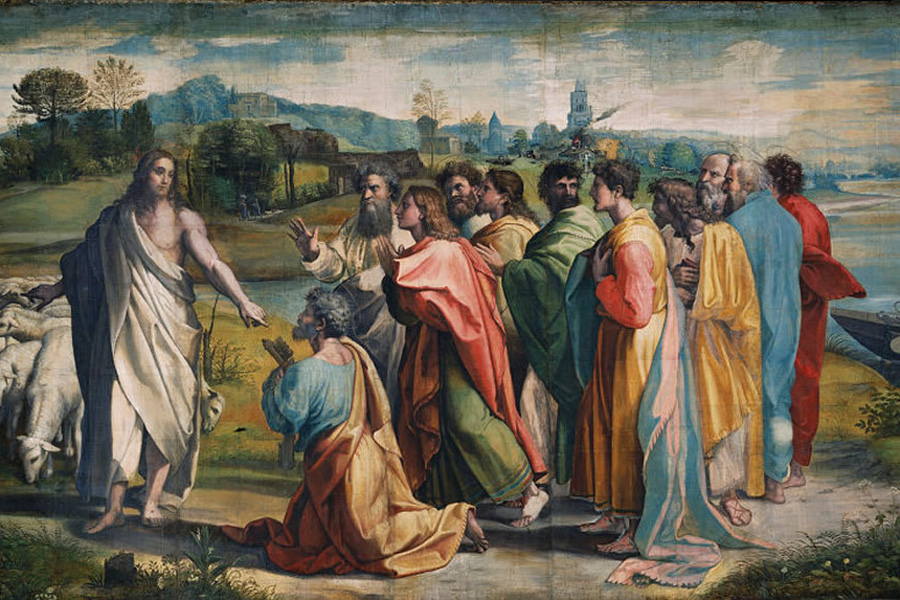
by Fr. Michael D. Accinni Reinhardt, MA, Mdiv, MS | 08/23/2026 | Pastoral CornerOne of the most prolific of Gospel readings is today when Jesus prompts his disciples to identify him. The response is amazing as Simon Peter son of Jonah quips , you are the Messiah, the Christ, the Son of the Living God. It is at this point Jesus renames the disciple saying you are Peter, from Greek Petra, Rock, and upon this Rock I will build my Church, and the gates of the netherworld shall not prevail against it.
This exchange from Jesus was a necessary part to him establishing the Church. It was part of Jesus solidifying the purpose for which he had come into the world to implement God’s plan of salvation.
For the Christian it means we must have some sort of vestiture, commitment, and skin in the game. We must have some sort of semblance of what it is to love the authentic Christian life. Jesus just does not choose anyone, he calls them to build relationship, he calls them into the fold,even though some did not remain. They could not walk the walk.
So many Christians profess Christ, but the question is are we actually willing to identify with him? To identify with Jesus means we seek authenticity in our lives. We seek it in ourselves. We embrace him with everything, and remove sin from our lives as much as possible.
People are numb to authenticity, because it’s not something fostered by our culture. You know the old saying birds of a feather flock together, it’s true because one, we don’t have to be challenged to grow. When we sit in an echo chamber we mimick what’s around us. If it’s the same annoying gossiper filling our ear, we have two choices, we either one shut it down., or two lower ourselves and get sucked in.
Jesus builds the faith upon Peter not because of his strength or endurance, but because of his ordinary holiness. He identified Jesus and his mission, and regretted deeply his shortcomings. People are generally unaware of the effect of sin in their lives, especially if they are routinely presenting themselves for Holy Communion, yet not attending to the sacrament of confession.
The remedy is taking a look in the mirror, and asking ourselves, if I died today would I go to heaven? How much in life distracts us from this reality? As humans we find ourselves often caught up in things that does nothing for our spiritual growth nor our attempt to attain heaven. We’ve got to take a serious look at that, and make the adjustments necessary.
How far are we willing to go to for Jesus, if we recognize him for who he is? Do we understand as Peter did the purpose of his mission? You are Peter and on this rock I will build my Church, and the gates of hell shall not prevail against it. Let us be like Peter and build the body of Christ in our ordinary way.
La Santidad Ordinaria Es Lo Que Nos Lleva Al Cielo
Una de las lecturas del Evangelio más significativas es la de hoy, cuando Jesús invita a sus discípulos a identificarlo. La respuesta es asombrosa: Simón Pedro, hijo de Jonás, exclama: «Tú eres el Mesías, el Cristo, el Hijo delDios vivo». Es en ese momento cuando Jesús cambia el nombre del discípulo y le dice: «Tú eres Pedro»—del griego *Petra*, que significa «roca»—, «y sobre esta roca edificaré mi Iglesia, y las puertas del infierno no prevalecerán contra ella».
Este intercambio fue necesario para que Jesús estableciera la Iglesia. Formaba parte de la consolidación del propósito por el cual había venido al mundo: llevar a cabo el plande salvación de Dios.
Para el cristiano, esto implica asumir un compromiso real y una entrega personal; debemos tener una idea clara de lo que significa amar la auténtica vida cristiana. Jesús no elige a cualquiera al azar; llama a las personas para construir una relación y las invita a formar parte de su rebaño, aunquealgunas no permanecieron en él.
No fueron capaces de vivir de acuerdo con su fe. Muchos cristianos profesan creer en Cristo, pero la pregunta es: ¿estamos realmente dispuestos a identificarnos con él? Identificarse con Jesús significa buscar la autenticidad en nuestras vidas; buscarla en nuestro propio interior.
Significa abrazarlo con todo nuestro ser y apartar el pecado de nuestras vidas tanto como sea posible. La gente a menudo es insensible a la autenticidad porque nuestra cultura no la fomenta. Existe el dicho de que «los pájaros del mismo plumaje vuelan juntos», y es cierto: a veces evitamos los desafíos que nos harían crecer. Cuando nos encerramos en un entorno donde solo escuchamos lo que nos gusta (una «cámarade eco»), tendemos a imitar lo que nos rodea. Si tenemos cerca a la típica persona molesta que se la pasachismeando, tenemos dos opciones: o bien cortamos la situación de raíz, o bien nos rebajamos y nos dejamos arrastrar por ella. Jesús edifica la fe sobre Pedro no por su fortaleza o resistencia, sino por su santidad ordinaria. Pedro supo reconocer a Jesús y su misión, y lamentó profundamente sus propias faltas. A menudo, las personas no son conscientes del efecto que el pecado tiene en sus vidas, especialmente si acuden habitualmente a recibir la Sagrada Comunión pero no se acercan al sacramento de la confesión. El remedio consiste en mirarnos al espejo y preguntarnos: si muriera hoy, ¿iría al cielo? ¿Cuánto nos distrae esta vida de tal realidad? Como seres humanos, a menudo nos dejamos absorber por cosas que no contribuyen en nada a Nuestro crecimiento espiritual ni a nuestro esfuerzo por alcanzar el cielo. Debemos reflexionar seriamente sobre esto y hacer los ajustes necesarios. ¿Hasta dónde estamos dispuestos a llegar por Jesús, si reconocemos quién es Él realmente? ¿Comprendemos, al igual que Pedro, el propósito de su misión? «Tú eres Pedro, y sobre esta piedra edificaré mi Iglesia, y las puertas del infierno no prevalecerán contra ella». Seamos como Pedro y edifiquemos el Cuerpo de Cristo en nuestra vida cotidiana.
BACK TO LIST